What is hydro jetting?
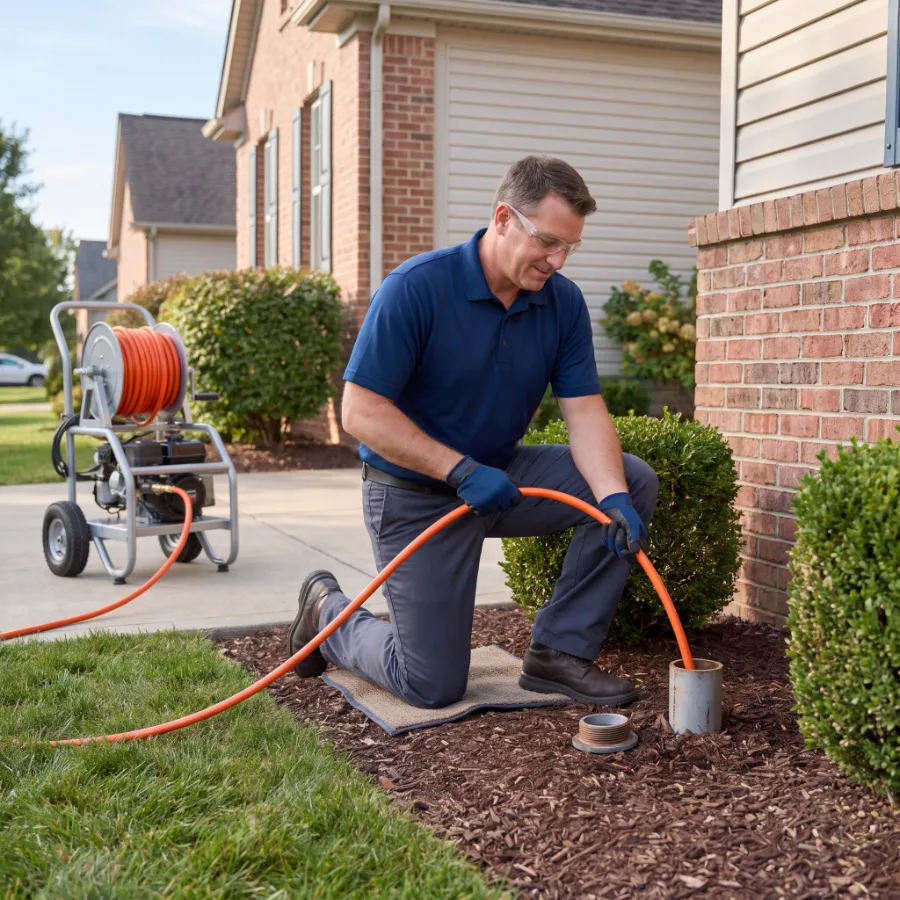
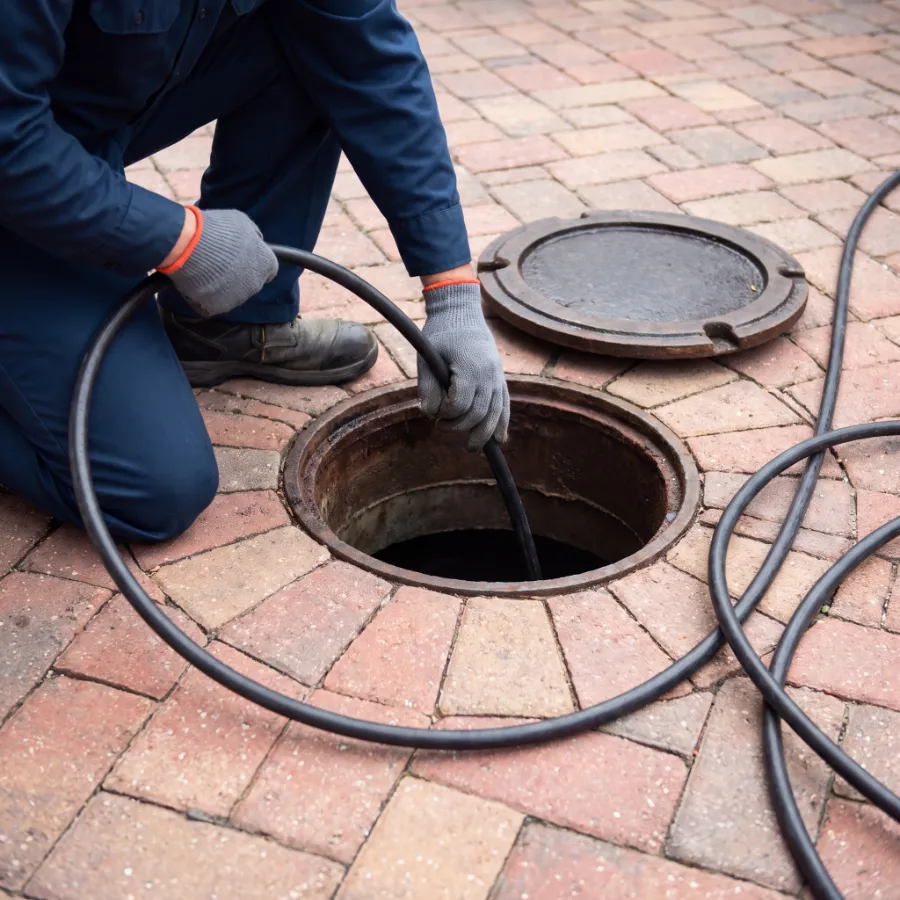
Hydro jetting cleans drain and sewer lines with high-pressure water. A hose with a special nozzle goes into the pipe through a cleanout, and the water scours grease, scale, sludge and roots off the pipe walls and flushes them out to the sewer.
When should I choose jetting over snaking?
Choose snaking for a single clog that hasn’t happened before. Choose jetting when the same drain keeps clogging, when several drains are slow, when grease or roots are the cause, or when a business kitchen needs its lines fully cleaned. If you’re not sure, tell us the history and we’ll recommend one.
How do you price hydro jetting?
We look at the line first and give you a firm price before we start. The price depends on how long the line is, how easy the cleanout is to reach, how much buildup there is and whether it’s a home or a commercial kitchen. The price you agree to is the price you pay.
Is hydro jetting safe for older pipes?
Jetting is safe for pipes in sound condition. Very old, cracked or collapsed pipes can be damaged by high-pressure water, so we look at the age and condition of your lines before we recommend it. If jetting isn’t a good fit, we’ll tell you and go over other options.
Will jetting get rid of tree roots for good?
Jetting clears the roots inside the pipe, but roots can grow back through the same cracked or loose joints. If roots keep returning, we’ll talk with you about repairing that section of the line or jetting it on a regular schedule.
How long does hydro jetting take?
Most residential jetting jobs take [2 to 3 hours]. Longer lines, hard-to-reach cleanouts and heavy grease or root buildup can take longer.
How often should a restaurant have its lines jetted?
It depends on how much cooking you do and how well the grease trap is kept up. Busy kitchens often jet their lines every few months, while lighter kitchens can go longer. We’ll recommend a schedule based on what we find in your lines.
Do I need a cleanout to have my lines jetted?
A cleanout makes jetting faster and easier. Most homes have one where the main line leaves the house, often in the basement, crawl space or yard. If we can’t find one or reach it, we’ll go over other ways to get into the line.